Crime Scene Cleanup
Crime scene cleaning begins after police release and covers blood, odor and the affected property.
See crime scene cleanupGet private suicide cleanup for blood, bodily fluids, affected materials and odor in a home, rental, workplace or vehicle in Heritage Creek. You do not have to enter or clean the scene yourself.

Suicide cleanup is private biohazard cleaning that takes away bodily fluids, blood and materials that cannot be cleaned safely. Technicians then disinfect the area and address odor at the source.
Before cleanup begins, the medical examiner or coroner must finish, as must law enforcement, and the scene must be released. They leave property cleaning to the family, owner or other person responsible for arranging it. Suicide scene cleanup may be needed in many settings, including vehicles, workplaces, hotel rooms, apartments and homes.
Using protective equipment, trained technicians follow a controlled method of cleaning. Nearby surfaces are examined. Items suitable for disinfection are cleaned, while contaminated porous materials are taken out. Hazardous waste receives packaging suited to proper disposal. Personal belongings receive careful sorting. Whenever possible, you take part in choices about items that hold meaning.
Call emergency services if you or anyone nearby could be in immediate danger. In the United States, emotional support is available by calling or texting the 988 Suicide and Crisis Lifeline. People's safety and release of the scene by law enforcement come before cleanup.
An explanation of necessary cleaning, possible removal and cost factors can help you decide how to move forward.
Your insurance company or property manager can receive organized disposal paperwork, photographs, scope notes and records of affected items.
Calls may receive an answer regardless of the hour. To support your privacy, crews can reach workplaces, homes and rentals using unmarked vehicles.
Your input guides careful decisions about keepsakes, photographs, documents and other belongings when a meaningful item might require removal.
Suicide cleaning services become necessary if bodily fluids or blood are left after the property is released by authorities. Scene conditions, surface types and the distance contamination spread determine the proper scope.
Work may start once law enforcement releases the scene and the person responsible for the property permits access.
Documents, photographs and keepsakes may be sorted away from contaminated items so you can discuss anything meaningful before removal.
A workplace, shop, hotel or managed property can require a controlled work area and coordination with the person responsible for the building.
A careful vehicle inspection is needed before cleaning or removal decisions because bodily fluids may remain in carpet, seats, trim and hidden spaces.
Your first priority is safety. You can protect yourself, preserve the scene and start an insurance claim without entering the affected area.
Call (888) 351-0904Published guides place suicide and related biohazard cleanup between $1,500 and $15,000. A cost guide specifically for suicide cleanup shows $1,500 to $5,500. Broader guides covering biohazard and crime scenes set higher ranges for work that is more involved. Cost varies based on which surfaces were affected, necessary material removal, treatment for odor and disposal of waste. These amounts are planning ranges and are not a quote.
These ranges come from published national cost guides, not from a site visit. An on-site assessment determines your property's price, which is explained to you before the cleanup starts.
Ask about cost: (888) 351-0904Insurance for a home, rental or commercial property may cover suicide cleanup. Whether it does, what records are needed and which deductible applies depend on the loss and policy.
Ask the insurance company to specify the needed photos, lists of items, waste records and invoices. Your family can remain outside the affected area while scene photos are created.
Homeowners or renters insurance, the estate or the property owner usually pays for this kind of cleanup. The Kentucky crime victim compensation program helps only when a crime caused the loss. Do not rely on payment until the program explains its eligibility rules, covered expenses, required records and deadlines.
Ask whether the policy covers biohazard cleanup, death cleanup, damaged building materials and personal property. Write down your adjuster's contact details and the claim number.
Tenants, property owners and family members should examine the lease and any policies that may apply. The individual responsible for the property normally authorizes the cleanup and arranges entry.
The suicide cleanup process moves from assessment and containment to removal, disinfection, odor treatment and documentation. Every step is adjusted to the actual materials and affected areas.
Before cleaning, cleanup technicians determine surface types, inspect the affected and surrounding areas, confirm release and record the scope.
Clean rooms are kept apart from the work area, while technicians use gloves, protective clothing and additional gear suited to bloodborne pathogen risks.
Carpet, pad, drywall, upholstery or other porous material is removed when contamination soaked in and full disinfection is not possible.
An EPA-registered disinfectant goes onto cleaned hard surfaces and stays wet for the complete contact period required by its label.
Belongings are sorted into those suitable for cleaning, those requiring removal and personally meaningful items that call for your decision.
Odor sources are removed first. The next step may involve air filtering and other odor treatments chosen for the space, structure and materials that remain.
Biohazard material goes into appropriate containers after removal, then follows the required medical or hazardous waste disposal process.
After the cleaned space is checked, insurance claim records are put in order and replacement can be planned for removed fixtures, flooring or wall materials.
You can call anytime. A suicide cleanup specialist answers, explains the steps and agrees a start time with you.
Blood and bodily fluids present a risk of exposure to bloodborne pathogens. What you see may not show contamination that spread behind or below a surface.
Carpet padding, seams in floors, subflooring, baseboards and wall cavities can be reached by fluids. Material beneath the surface can remain contaminated after the visible area is wiped.
Entering the area may increase your distress at a difficult time. Professional cleanup allows you to remain away while someone calmly explains each practical choice.
Porous materials that cannot be disinfected must be labeled, sealed, transported and treated according to the state's applicable medical waste rules.
Can you clean it yourself? A few fresh drops on a hard, non-porous surface may be cleaned with disposable gloves and an EPA-registered disinfectant used for its full label contact time. Choose professional biohazard cleanup if fluids reached unfinished wood, drywall, carpet or fabric, or you cannot identify every edge of the affected area.
A surface is kept when it can be fully cleaned and disinfected. A porous material is removed when contamination has soaked in too deeply for reliable treatment.
The OSHA Bloodborne Pathogens Standard, 29 CFR 1910.1030, establishes requirements for worker training, protective equipment and procedures wherever blood exposure may happen.
For use on blood, the chosen disinfectant should be EPA-registered for that purpose and stay on the surface throughout the label's contact time.
Kentucky has no single medical waste agency. The Energy and Environment Cabinet's Division of Waste Management permits medical waste transfer stations, and most landfills accept this waste only after treatment, so it should not go in household trash. The cleanup scope should account for the packaging, transport and treatment required for contaminated materials.
Kentucky relies on elected county coroners, supported by the Office of the State Medical Examiner, which helps coroners determine cause of death. Cleanup starts after police or the medical examiner or coroner release the scene. Cleaning may begin only once the investigating authority confirms the scene's release.
How long the work takes is determined by the affected area's size, the materials present and any spread into concealed layers. A limited scene on hard surfaces is usually shorter. More time is needed if many personal items, flooring or drywall require removal.
The full suicide cleanup guide covers what is cleaned or removed, odor and air quality work, and the rules that apply in Kentucky and Jefferson County.
Read the full suicide cleanup guideLocal population patterns, housing and site access may affect how containment and cleanup are planned.
Only 1.3% of homes in Heritage Creek are renter occupied, so many cleanup decisions may rest directly with resident owners.
Homes centered around a 2007 build year may have open layouts, which can allow odor to reach adjoining living areas.
A 27.5% share living alone still matters because delayed discovery can increase odor movement and the amount of affected material.
At 100.0% single-family housing, cleanup boundaries may include attached garages, utility rooms, or storage areas beyond the main room.
Your phone conversation can include questions about service in nearby ZIP codes and communities.
Crime scene cleaning begins after police release and covers blood, odor and the affected property.
See crime scene cleanup
Trauma scene cleanup after accidents, injuries and violent events.
See trauma scene cleanup
Carpet, solid floors, walls and furnishings receive blood cleanup that includes safe disposal.
See blood cleanup
Cleaning a home after someone dies, including fluids, odor and affected belongings.
See death cleanup
Cleanup after a death that was found quickly, with care for the family home.
See attended death cleanup
Air scrubbers, hydroxyl and ozone treatment support death odor removal at its source.
See death odor removal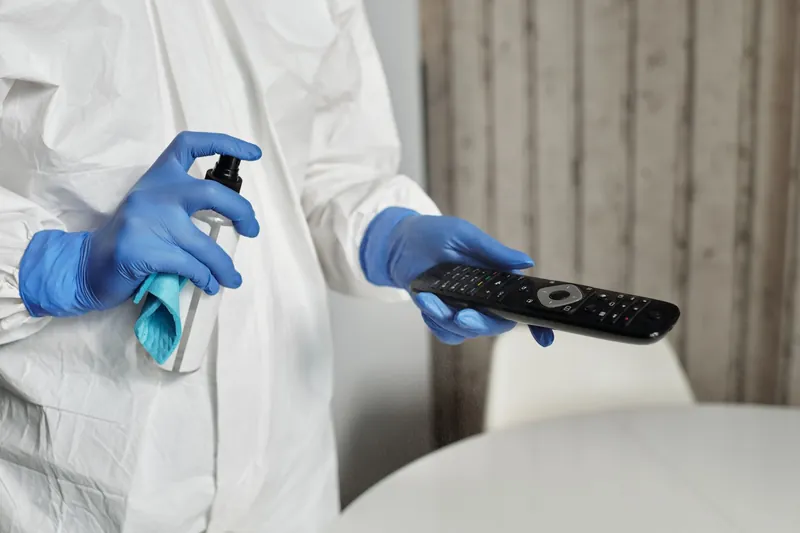
Biological remediation removes contamination so the space can be safely used again.
See biohazard remediation
Medical waste removal includes disposal through facilities approved for treatment.
See medical waste removalYes. The first requirement is taking out the source. Cleaning and disinfection, removal of untreatable materials and inspection of nearby spaces work together to address the odor source. An odor treatment or air filtration may be used afterward. Fragrance alone does not make contamination safe and merely covers the odor.
No. Police secure and investigate the scene, and the medical examiner or coroner completes the work required by the case. They release the property when that work is finished. The next step is for an authorized person, such as family, a landlord or the property owner, to arrange cleaning. Do not begin before the release is confirmed.
Belongings are assessed by material and level of contamination. Cleaning may work for sealed hard property, while deeply affected porous belongings and textiles may have to be removed. Whenever safety allows, documents, photographs, keepsakes and other meaningful belongings should be set apart for you to consider and help decide what happens.
How many spaces need work, which materials took in contamination and any required removal of wall material or flooring all affect the schedule. Cleaning a contained area with hard surfaces generally takes less time than work across multiple rooms with hidden layers, extensive odor treatment or many belongings. Assessment should explain the anticipated order of work.
One published suicide cleanup range is $1,500 to $5,500. More extensive work can reach $15,000 in broader cost guides for biohazard and crime scene cleaning. Factors shaping the total include porous contamination, surfaces, odor control, waste disposal and materials requiring removal. An assessment is needed to set the actual scope and price.
The medical examiner and law enforcement complete the investigation, but property cleaning is not part of their work. A suicide cleanup company may be arranged by the family, property owner, landlord or manager after authorities release the scene. For proper disposal, trained technicians prepare contaminated waste after treating the affected area with cleaning and disinfection and taking out materials beyond treatment.
Discreet, respectful suicide cleanup, 24 hours a day, with crews in unmarked vehicles.